
Restraint as Leadership
Verdant Synergies' CEO Gabe Grass discusses his thoughts regarding transition and how to utilize restraint in leadership decisions.
Gabe Grass
2/17/20262 min read
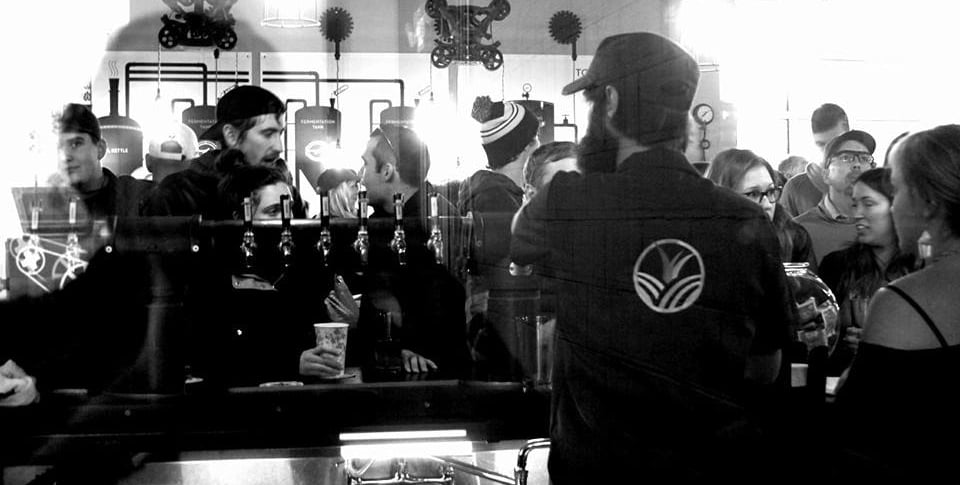

The above image is, for better or worse, seared into my brain. Displaying a full spectrum of all things entrepreneurship , it was taken on GrassLands Brewing Company's opening day. We were slammed from 12PM to 12AM. 12 full hours; I remember it like it was yesterday. This is also the image we used to let the world know we were closing our doors. It's weird to have a single photo mean so many different & powerful things , but here we are. Every time I see it, I go through a range of emotions. This photo, in essence, defines transition to me - both wanted and unwanted.
Transition is often presented as reinvention. A fresh start. A pivot.
In reality, many transitions begin with an ending we didn’t choose.
Sometimes transition is simply a polite word for being let go. For losing a role unexpectedly. For watching a chapter close without ceremony or in-depth explanation. For failure. Those moments bring uncertainty, frustration and a very human desire to explain what really happened.
Often, there’s dirty laundry. Along with that, a strong temptation to air it.
That urge is understandable. When a transition feels unjust or abrupt, silence can feel like surrender – especially when there’s already another narrative out there or, sometimes worse: none at all. Speaking out can feel like reclaiming control. But leadership shows up not only in what we say, but in what we choose to carry quietly.
Restraint is rarely discussed as a leadership skill. It’s not something that shows up on resumés or performance reviews. Yet it may be one of the most difficult disciplines to practice, especially in moments of loss.
Restraint is not avoidance. It’s not denial. It’s not pretending that something did not hurt or did not matter. Restraint is the ability to pause long enough to ask yourself a harder question: What response actually serves the long view of who I am and where I am going?
Unplanned transitions strip away familiar structures. Titles fall away. External validation fades. What remains is judgment. How we speak about others when we no longer have to be careful. How we frame our own story when no one is editing it for us.
In those moments, leadership becomes deeply personal.
Throughout multiple roles, I’ve learned that restraint often creates space. Space to separate emotion from action. Space to decide what lessons are worth carrying forward and what grievances are better left behind. Space to protect credibility even when it feels undeserved.
There's power in not saying everything you know. There's strength in choosing clarity over catharsis.
Entrepreneurship tends to surface in these moments, not as a business plan but as a mindset. The willingness to sit with uncertainty. The discipline to redirect energy toward building rather than broadcasting. The confidence to trust that the work ahead will speak louder than any explanation ever could.
Restraint does not mean silence forever. It means timing, audience and context matters. Leadership requires understanding the difference between truth that needs to be told and truth that simply needs to be processed.
Some of the strongest leaders I know navigated their most difficult transitions quietly. Not because they lacked stories to tell, but because they understood that how they carried themselves would shape what came next. You know who you are.
Transition reveals character more than success ever does. It tests temperament, exposes values and asks whether leadership is situational or internal.
Restraint isn’t passive. It’s active discipline. It’s a decision made repeatedly, often when no one is watching.
In seasons of transition, that decision may be the clearest expression of leadership there is.
Our work is built on lived leadership, interdisciplinary perspective and ethical judgment. We deliver practical outcomes designed to perform in the real world and last.